
We Power Aviation Excellence
From aircraft systems to advanced engineering solutions — we deliver precision, reliability, and performance where it matters most.
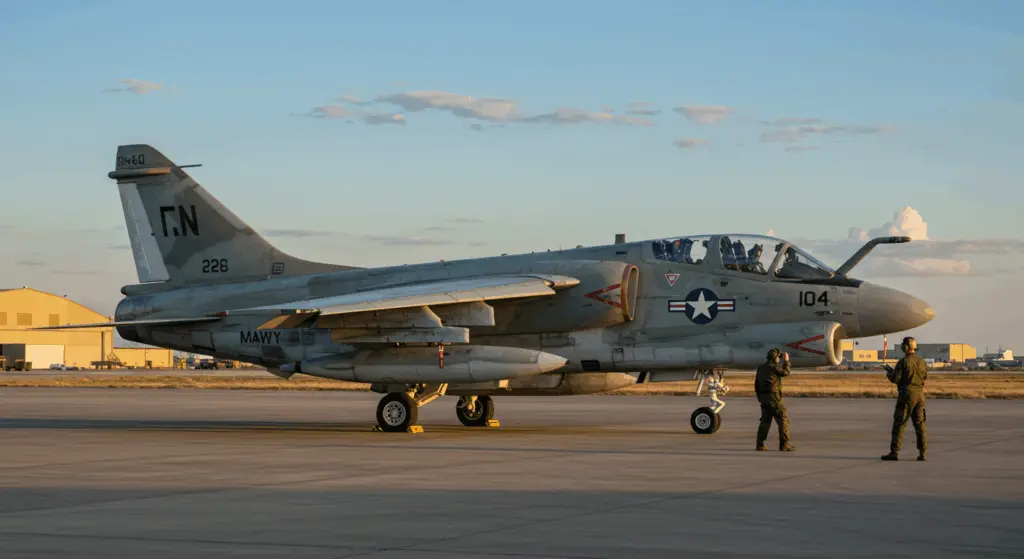
A-7 Corsair II – Comprehensive Guide to the Attack Aircraft
The LTV A-7 Corsair II transformed naval aviation during the Vietnam War with its exceptional bombing accuracy and impressive payload capacity. Nicknamed “SLUM” (Short Little Ugly Fellow) by its crews, this subsonic attack aircraft could deliver 15,000 pounds of ordnance with remarkable precision despite its unassuming appearance. From its first combat deployment aboard USS Ranger in 1967 to its final missions during Operation Desert Storm, the Corsair II demonstrated how smart design focused on combat effectiveness rather than pure speed could produce a highly successful attack aircraft.
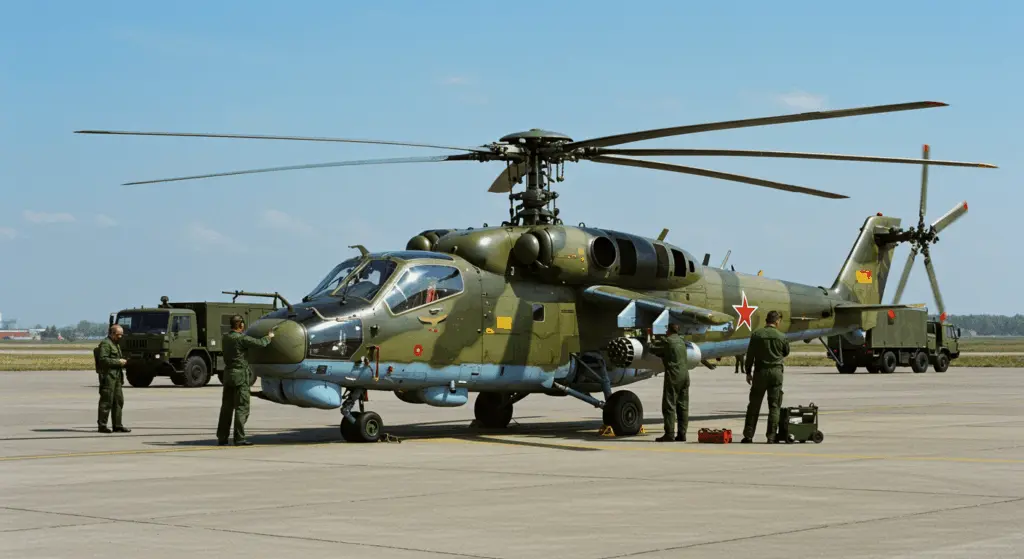
Ka-52 Alligator – Features, Capabilities, and Comparisons
The Russian-designed Ka-52 Alligator differs from conventional attack helicopters with its distinctive coaxial rotor system that eliminates the tail rotor entirely. This design gives the helicopter remarkable agility in combat situations, allowing pilots to execute tight turns and rapid direction changes that would be impossible for traditional helicopter designs. While the Ka-52 doesn’t match the Apache’s weapons payload, its 300 km/h top speed and all-weather operational capability make it highly effective in contemporary warfare.
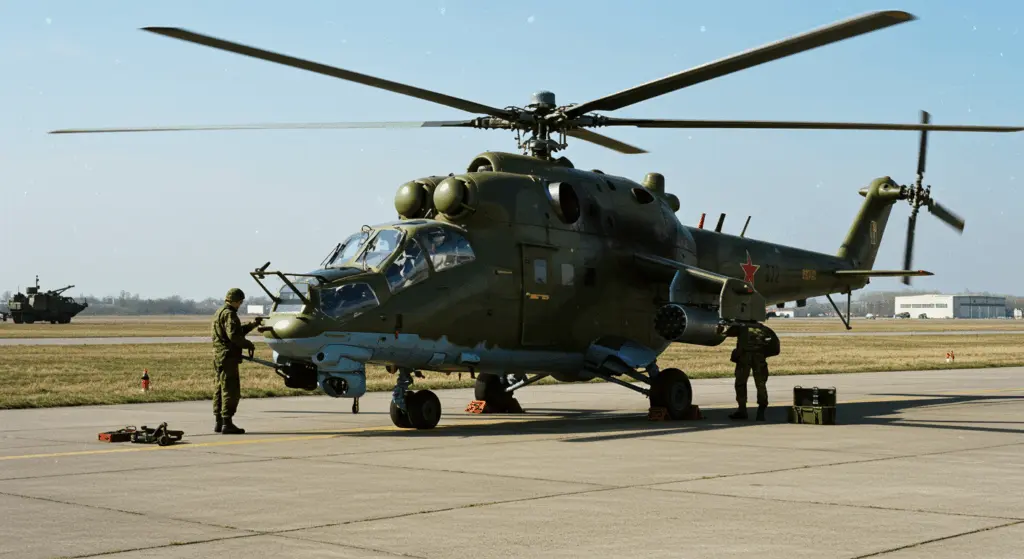
Mi-24 Hind – History, Specifications, and Combat Roles
Few military aircraft evoke the same mixture of fear and respect as the Mi-24 Hind helicopter, nicknamed “Satan’s Chariot” by Afghan fighters during the Soviet-Afghan War. With its distinctive tandem cockpits, stubby wings loaded with missiles, and the ability to deliver troops while providing devastating fire support, the Mi-24 transformed battlefield helicopter operations when introduced in 1972. Serving in over 50 countries and continuing to see action in modern conflicts like Syria and Ukraine, this Soviet-designed gunship remains a formidable presence despite newer competitors.
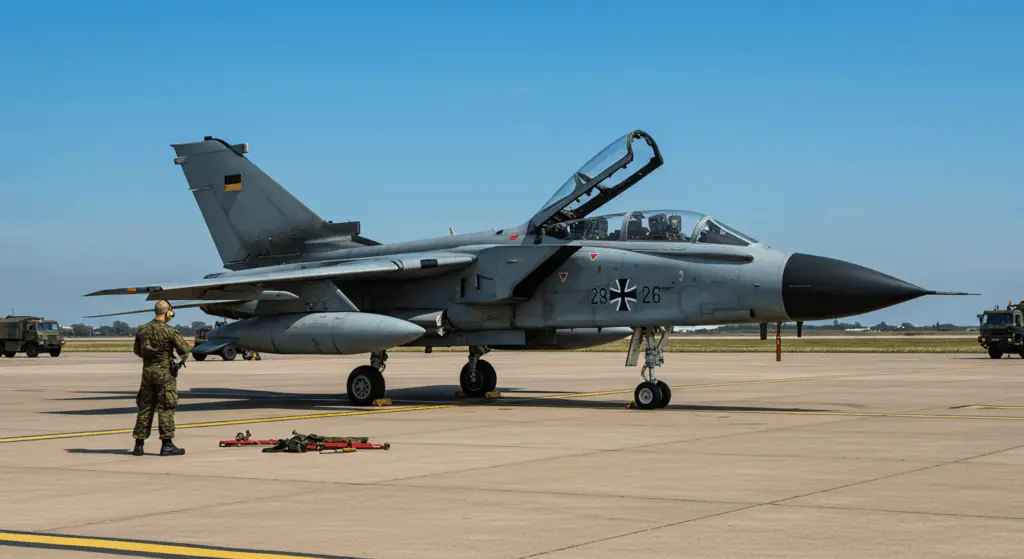
Tornado IDS – Comprehensive Overview of the Aircraft
Developed through European collaboration, the Panama Tornado IDS became one of the most versatile fighter-bombers of its era. Its innovative variable-sweep wing design allows pilots to adjust the wingspan from nearly 14 meters to just 8.6 meters, adapting performance across different flight regimes. Powered by twin Turbo-Union engines generating up to 15,500 pounds of thrust each, this tandem-seat aircraft excels in low-altitude penetration missions while carrying an impressive nine-ton weapons payload.

Tupolev Tu-154 – Comprehensive Overview
The Tupolev Tu-154 revolutionized Soviet air travel with its distinctive three rear-mounted engines and ability to operate from unpaved runways across remote airfields throughout the Soviet Union. For nearly half a century, this narrow-body airliner carried millions of passengers through harsh conditions while serving as the backbone of Aeroflot’s fleet. Despite being gradually replaced by Western aircraft in the 2000s, the Tu-154’s legacy continues through preserved examples that demonstrate Soviet aviation engineering principles.
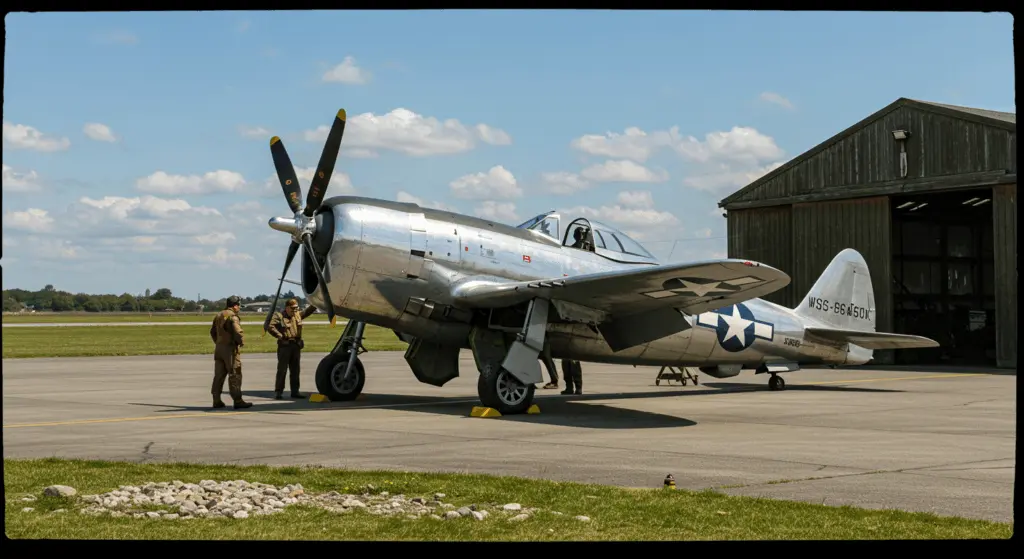
Republic P-47 Thunderbolt – A Comprehensive Overview
Weighing in at over 17,500 pounds fully loaded, the Republic P-47 Thunderbolt earned its nickname “Jug” from pilots who marveled at its bottle-like fuselage shape. This massive fighter aircraft combined eight .50-caliber machine guns with exceptional durability, allowing it to absorb substantial battle damage while still returning safely to base. From high-altitude bomber escort missions to punishing ground attacks against German forces, the Thunderbolt’s versatility made it a cornerstone of Allied air power throughout World War II.